A Safe Mushroom Foraging Checklist for UK Woodlands
A beech wood in late October, after a week of rain, is one of the best places to be in Britain. The leaf litter is damp, the light is low, and there is a fair chance that something worth carrying home is pushing up through the soil. There is also a fair chance that something deeply unpleasant is growing a metre away, looking almost identical.
The difference between a forager who stays well and one who ends up in A&E is rarely luck. It is a routine: the same questions, asked in the same order, every time. Nothing here replaces learning identification properly, with good books and, ideally, with people who already know your local woods. Treat it as a filter that catches mistakes before they reach the kitchen.
Before you leave the house
Foraging trips fail in the car park, not in the wood. Decide what you are looking for before you go — one or two species you know well — and pack so you can identify properly when you get there. Turning up with an empty head and a vague plan is how people end up squinting at a pale cap in fading light and talking themselves into something they are not sure about.
- A wicker basket or rigid open container. Plastic bags make mushrooms sweat and crumble, and mush destroys the features you need.
- A sharp knife, a small brush, and newspaper for wrapping individual specimens.
- Paper bags, so each species stays separate. Mixing caps from two species is how cross-contamination happens.
- A notebook and pencil, a hand lens if you have one.
- A charged phone with an offline map, and a waterproof layer. Woodland signal is patchy at best.
Check that you are allowed to pick where you are going. Nature reserves, SSSIs, National Trust land and most Woodland Trust sites prohibit foraging outright, and in England and Wales the Wildlife and Countryside Act protects a long list of species even on land where picking would otherwise be legal. On private land you need the landowner's permission. In practice this pushes most foragers towards quiet, unmanaged scraps of woodland and hedgerow — which is no bad thing, because those are often the richest spots anyway.
Finally, tell someone where you are going and when you expect to be back. A phone with twenty per cent battery and no signal is a torch, not a lifeline.
In the wood: work through the same order every time
Identification is not a single glance. It is a sequence of observations, and skipping one of them is the commonest way a good forager has a bad night. Run this list on every mushroom you intend to eat, even the ones you have picked a hundred times.
- Look at the whole thing, not the cap. The cap is the least informative part of most mushrooms. The base of the stem, the gills, the smell and the habitat are where the answers live.
- Lift one specimen rather than cutting it. A knife is the right tool for harvesting, but the first one you examine should come up with its base intact. A bulbous volva buried in the litter is the single most important feature separating safe mushrooms from Britain's most lethal ones.
- Check the underside. Gills, pores, spines or folds? Free or attached to the stem? Colour, spacing, and whether they bruise or darken when pressed all matter.
- Smell it. Crush a fragment of cap between your fingers. Aniseed, flour, radish, coal tar, ink, almonds — smell is a genuine diagnostic tool and one most beginners ignore entirely.
- Note the habitat and the tree. Many species are tied to a single tree genus. If a book says birch and you are standing under oak, stop.
- Take one or two, leave the rest. Press the stem base into the litter so the mycelium underneath is undisturbed, and take only what you will actually eat. A basket of mushrooms you cannot identify is not a harvest, it is a problem you have carried home.
A note on the phone apps
An image-matching app is a useful second opinion and a dangerous first one. They are routinely wrong on exactly the species that matter, and they give an answer with a confidence the underlying evidence does not support. Use them to generate a suggestion, then verify every feature against a book and, if you can, against a person who has picked that species before.
The lookalikes worth memorising
You do not need to know every mushroom. You do need to know the local pairs that cause serious harm.
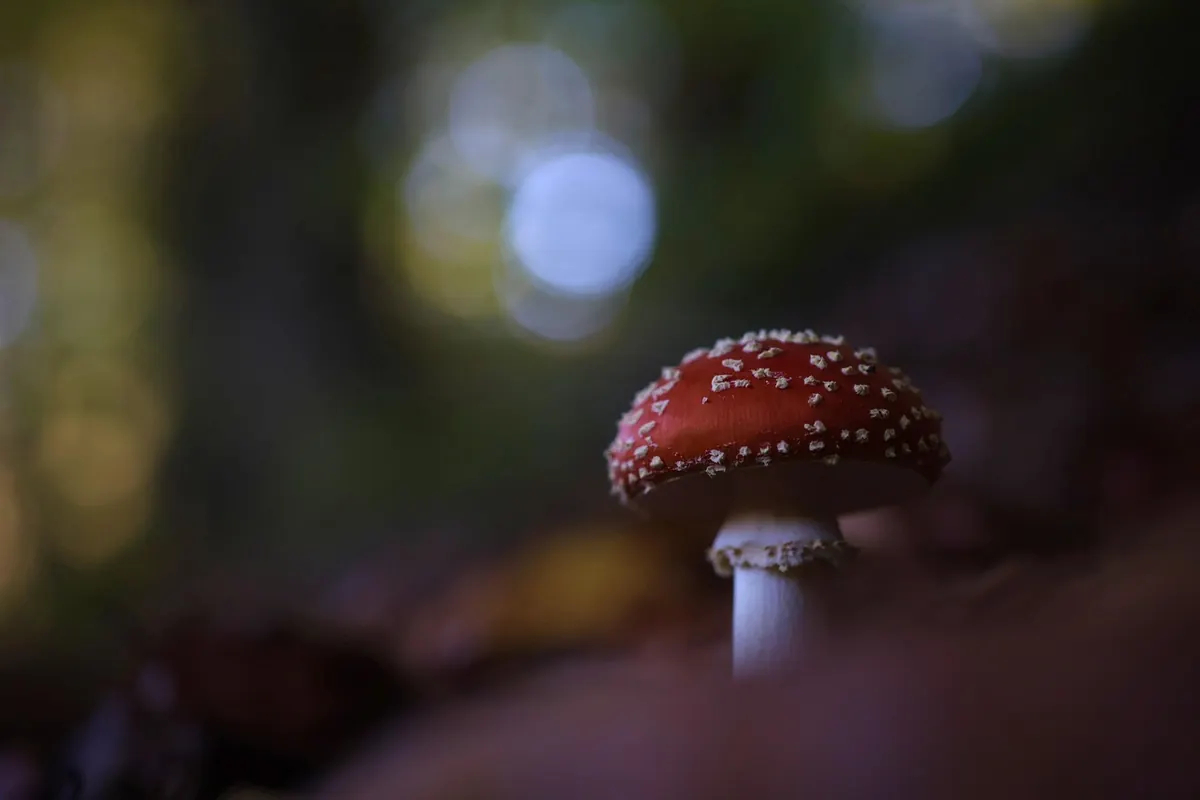
The death cap and the destroying angel account for the overwhelming majority of fatal mushroom poisonings worldwide, and both are plain, pale and unremarkable. They grow in woodland, they have white gills and a ring on the stem, and they conceal a cup-like volva at the base. Any pale-gilled mushroom with a ring, growing from anything other than a supermarket, deserves a hard look at the base of the stem.
The other classic traps are the yellow-staining mushroom that bruises chrome-yellow and can cause violent gastric illness, the earthball masquerading as a puffball until you cut it open and find a dark purple centre, and the sulphur tuft clustering on stumps in vivid yellow-green, which sends people to hospital every autumn. Learning five of these properly is worth more than a vague familiarity with fifty.
Identify every single mushroom in the basket before you cook any of them. One unidentified cap in the pan contaminates the whole meal.
When you get home
- Re-check the whole basket in good light. Features look different under a kitchen spot.
- Take a spore print on any species where gill colour is ambiguous. White, brown, pink and black spore prints separate otherwise similar fungi.
- Clean, do not soak. Brush off debris. Soaking makes mushrooms soggy and dilutes flavour.
- Cook them properly, and eat a small portion first. Even safe species are indigestible raw, and individual reactions vary more than most guides admit.
- Keep one raw specimen aside in the fridge, labelled, until twenty-four hours after the meal. If something goes wrong, this is what a toxicologist needs.
- Never eat a new species on a day you have to work.
If in doubt, throw it out
That is the whole checklist in five words, and it is not a slogan. It is the rule that keeps experienced foragers alive, because the experienced ones are exactly the people who talk themselves out of a doubt. There is no mushroom in Britain worth an overnight in hospital, and there is always next October.
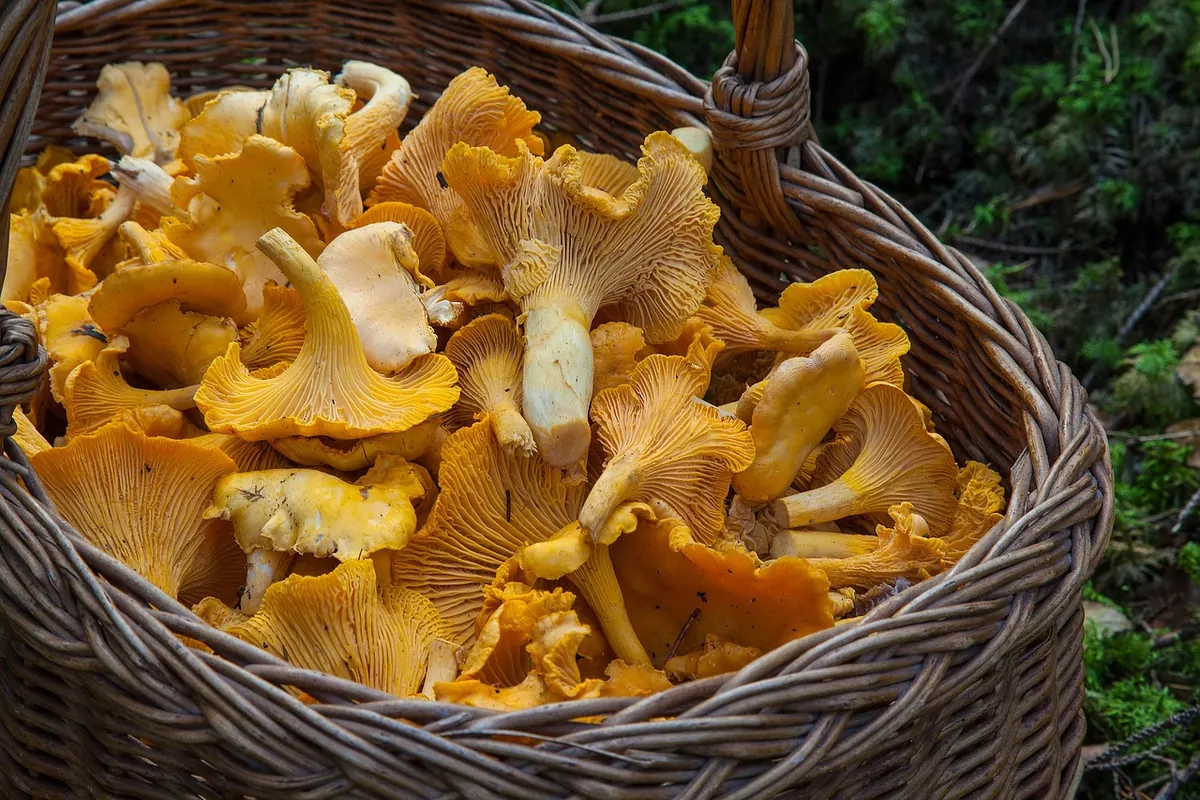
Photo: Barbroforsberg / Pixabay
Growing Wild Edibles in a Small Kitchen Garden: Wild Garlic, Sorrel and Land Cress
Wild garlic, sorrel and land cress all thrive in shade and in pots. Here's how to sow, grow and harvest...
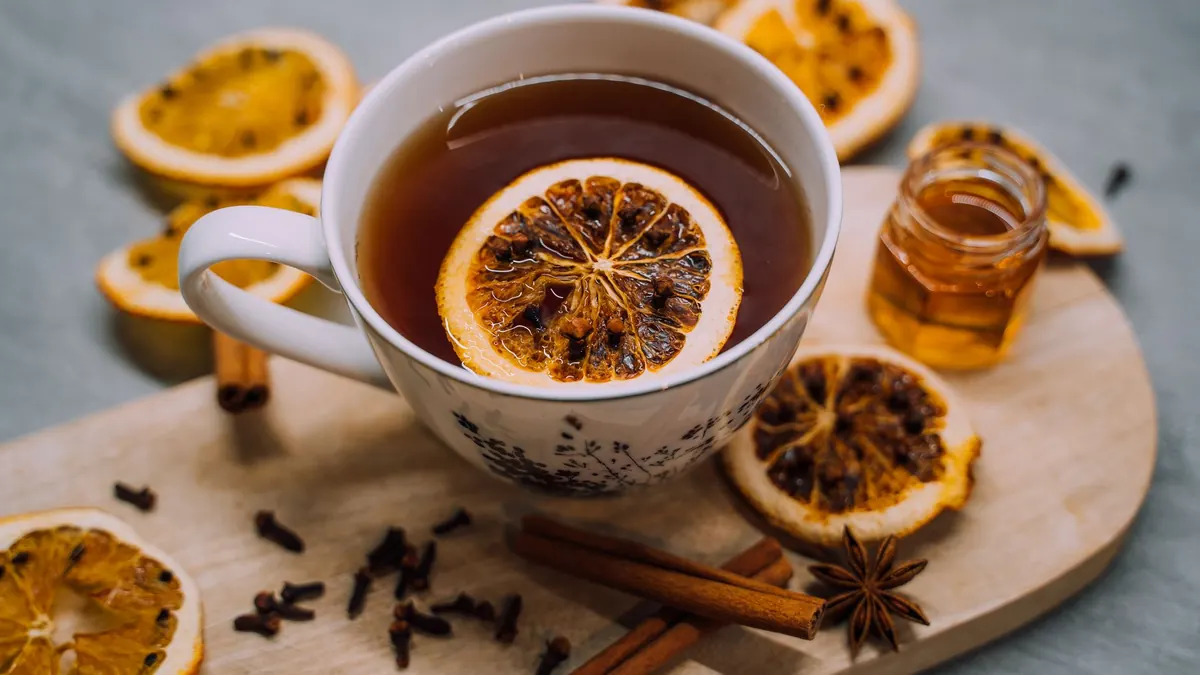
Herbal Teas from the Hedgerow: Safe Recipes for Nettle, Mint and Chamomile
A practical beginner's guide to picking, drying and blending nettle, mint and chamomile from British...
About Us