Foraging Apps vs Field Guides: Which Should Beginners Trust for Mushroom ID?
A phone app can name a mushroom in two seconds. A field guide takes twenty minutes, usually in the rain, with cold hands. It is tempting to pick the fast one — right up until the moment you are deciding whether to cook the thing. Mushroom identification sits among the few hobbies where a confident wrong answer can put you in hospital, so the real question is not which tool is more convenient. It is which one is more likely to keep you safe, and how to use them together.
What apps genuinely do well
Modern identification apps have earned their place in a forager's kit. The best of them do three things a book cannot.
First, speed. You photograph a cap, gills and stem, and within seconds you have a shortlist of possibilities. That shortlist is useful even when it is wrong, because it narrows the field before you open a guide.
Second, location and record-keeping. Apps stamp your finds with GPS coordinates, dates and habitat notes. Over a season, that log becomes genuinely valuable: you learn which wood, which tree and which fortnight produces what. A paper notebook can do this too, but fewer people keep one.
Third, access to people. Community identification forums and recording platforms let you post a set of photographs and get feedback from more experienced foragers. Used carefully, this is the closest thing to an apprenticeship many beginners have.
Where printed guides still win
A good field guide was written by someone who has handled thousands of specimens, and it shows. The strongest advantage is lookalikes. Reputable guides deliberately place a dangerous species next to the edible one it resembles, with the differences spelled out: gill attachment, ring, volva, spore print colour, cap margin, habitat, season, smell.
A phone screen rarely gives you that side-by-side comparison at the resolution you need. Books also work when your battery is dead, your signal has vanished and your hands are wet. Illustrations — good ones — exaggerate diagnostic features on purpose, which is often more instructive than a photograph of one unusually tidy specimen.
And crucially: a printed guide is static. Nobody can quietly edit the entry for the death cap because a user disagreed.
The failure modes you should know about
App identification usually fails in one of four ways.
- Photographs lie. An app cannot smell your specimen, take a spore print, or notice that it was growing on buried wood rather than soil. Those details decide identifications.
- Confidence is not accuracy. A neat percentage next to a species name is a measure of how well your photo matches a training set, not a guarantee about the fungus in your basket.
- Region matters. A species common in mainland Europe or North America may not occur here at all, and a British lookalike may be missing from the app's data.
- Wrong answers get repeated. When a community misidentifies something and others agree, the error can spread. Consensus is not verification.
Field guides have their own weaknesses. Coverage is one: no single British guide describes every species you will meet, and the dangerous lookalike might be in the book you left at home. Photographs can flatter a specimen or mislead on colour. Editions go out of date, sometimes on taxonomy, occasionally on edibility advice. A guide that lists something as edible without mentioning its principal lookalike should be treated with suspicion.
A hybrid method that actually works
Use the app as a first guess and the book as the judge. In practice, that looks like this.
- Photograph properly in the field. Cap from above, gills or pores from below, stem whole including the base, and the surrounding habitat. Dig, do not pull, so the volva stays intact.
- Note what a camera cannot capture. Smell, whether it bruises or stains, which trees are within a few metres, whether it grows on wood, soil or dung.
- Get an app suggestion, then ignore the name. Write down the top three candidates instead.
- Key it out in a guide. Follow the diagnostic features rather than flicking to the picture that looks closest.
- Read the lookalike entries, not just the match. Ask what would have to be true for this to be the dangerous species, then check each point.
- Take a spore print on white paper overnight if you are still uncertain. Colour alone can rule out entire groups.
- Get a second opinion from an experienced forager, a local mycological group or your county fungus recorder before anything reaches a pan.
If you cannot explain, out loud, why a specimen is not each of its dangerous lookalikes, you do not yet know what it is.
Choosing a guide for British fungi
Look for a guide that covers Britain and northern Europe specifically, rather than a generic global volume. Check that it has a proper key, not just photographs, and that each edible species is shown alongside its confusing relatives. Hand-drawn illustrations of spores, gills and stem bases are a good sign of a serious book. A compact guide for your rucksack plus a larger reference at home is a sensible pairing — the small one to check in the field, the big one to settle arguments later.
Start small, stay cautious
Pick five to ten species this season and learn them properly. The giant puffball, the shaggy ink cap and the field mushroom are reasonable starting points precisely because a good guide walks you through what they cannot be mistaken for. Sketch them, photograph them, follow the same patch through the year, and write down what you saw.
Never eat anything you have identified only from a photograph, and never eat a species the first time you find it. Learn it over several sightings, in different conditions, until you can name it without hesitation. Avoid specimens growing beside busy roads, on sprayed ground, or on land where you do not know the history.
If you suspect someone has eaten the wrong mushroom, treat it as an emergency and seek urgent medical advice immediately, taking any remaining pieces or a photograph with you. Advice on edibility and health is best confirmed by a qualified mycologist or medical professional, not by an app's confidence score. The best foragers are not the fastest at naming things — they are the ones still here, still cautious, still carrying a book.
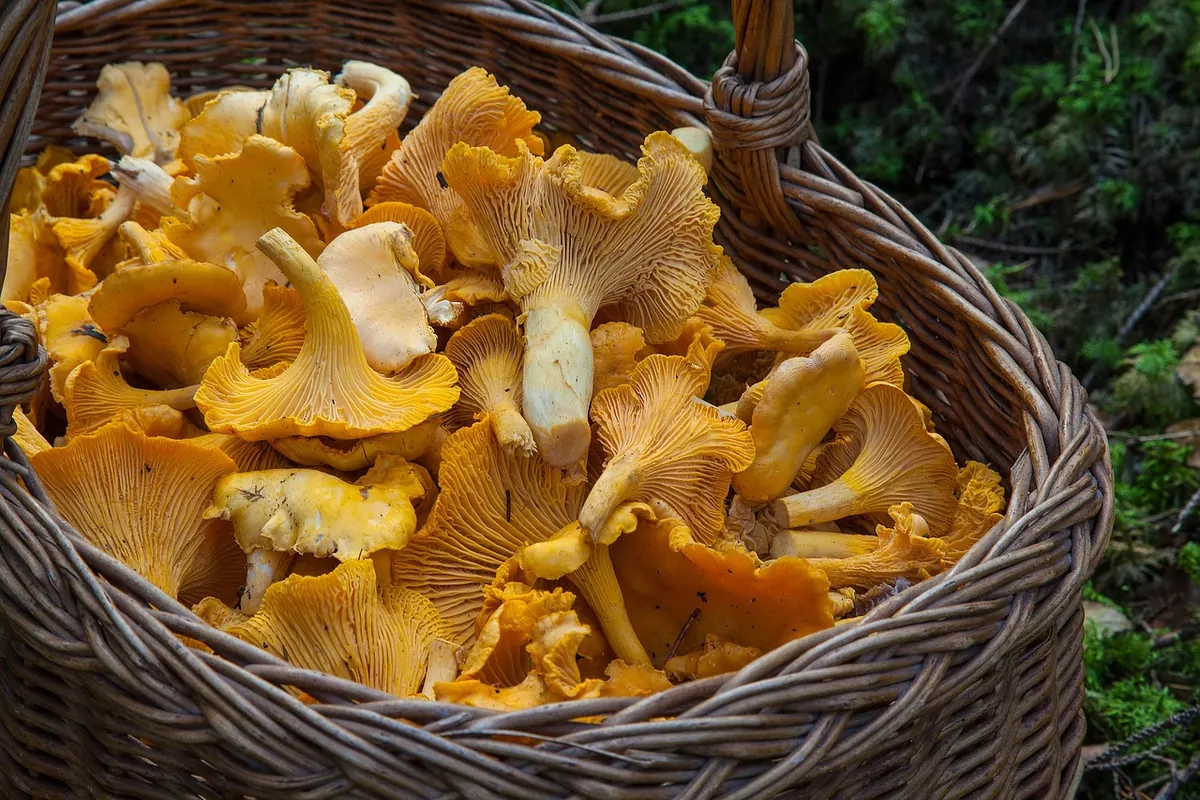
Photo: platte15 / Pixabay
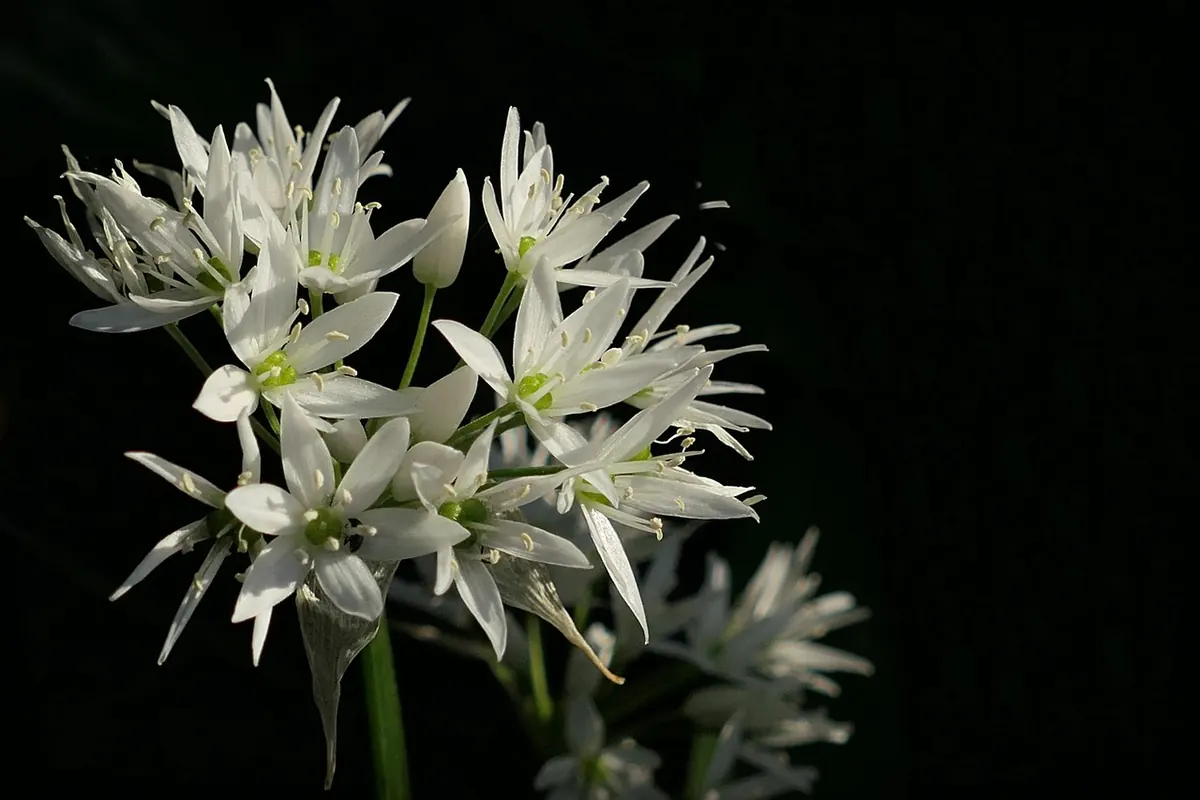
Growing Wild Edibles in a Small Kitchen Garden: Wild Garlic, Sorrel and Land Cress
Wild garlic, sorrel and land cress all thrive in shade and in pots. Here's how to sow, grow and harvest...
Herbal Teas from the Hedgerow: Safe Recipes for Nettle, Mint and Chamomile
A practical beginner's guide to picking, drying and blending nettle, mint and chamomile from British...
About Us