Growing Wild Edibles in a Small Kitchen Garden: Wild Garlic, Sorrel and Land Cress
Most small gardens have a corner that does nothing useful: the strip behind the shed, the north side of a wall, the dry ground under a hedge. It is exactly where wild garlic, sorrel and land cress want to be. All three are plants people walk miles to forage, and all three are perfectly happy in a pot on a shady patio. Better still, they are cut-and-come-again crops, so a few containers will keep a household in peppery salad leaves and garlicky pesto well beyond the supermarket's idea of a season.
Why these three earn their space
Between them they cover most of the year. Wild garlic pushes up leaves in late winter and vanishes by midsummer. Sorrel is a perennial that crops for years with very little attention. Land cress fills the cold months when there is nothing much else to pick. None of them needs full sun, a raised bed or specialist kit, and none travels well to the shops, which is why sorrel and land cress are so often expensive or simply unavailable. Grow them yourself and you pick exactly what you need.
Wild garlic: buy bulbs, don't dig
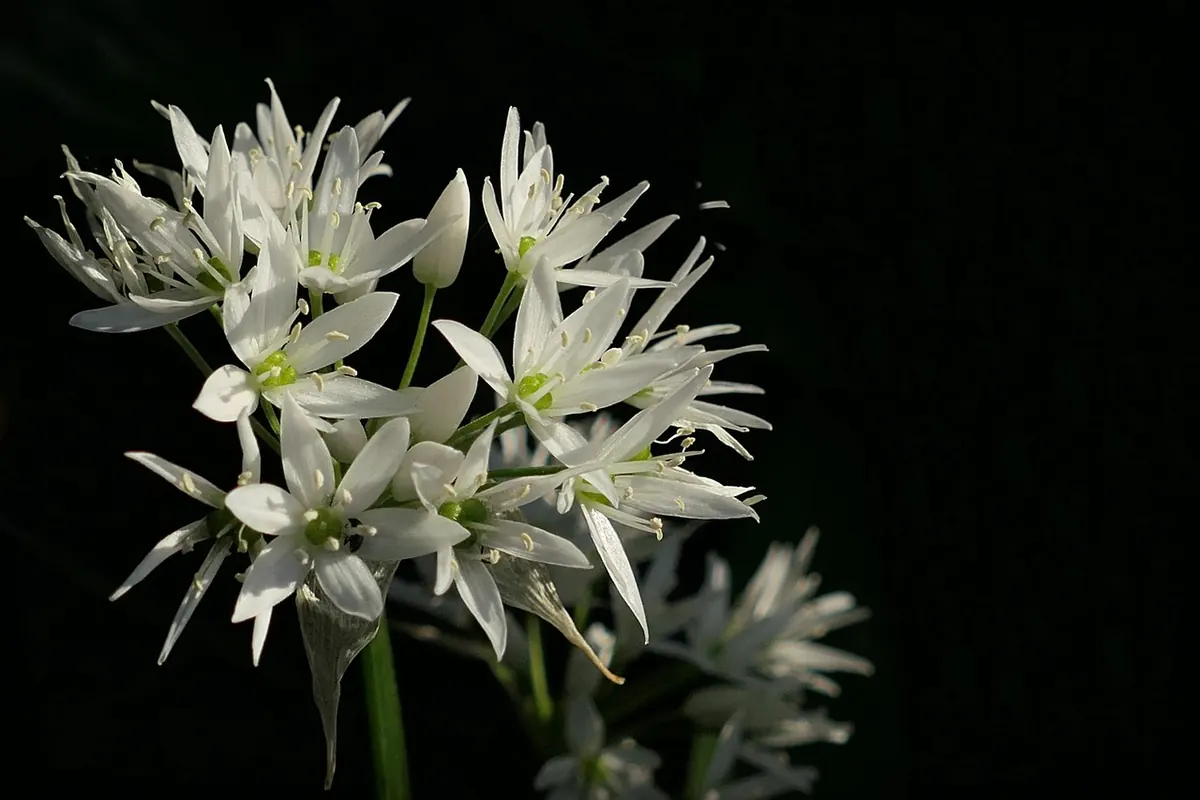
Wild garlic, Allium ursinum, or ramsons, carpets damp woodland in spring. In a garden it wants the same conditions: dappled shade, soil that stays damp, and plenty of leafmould or garden compost. Please don't lift plants from the wild. Uprooting wild plants without the landowner's permission is not allowed, and a woodland patch takes years to recover. Buy bulbs or plants from a nursery instead, or collect a little seed with permission.
Planting
Plant bulbs in autumn about 10cm deep in a pot at least 25cm deep, or in a shady patch of ground. Bulbs sold "in the green" in spring establish well too. Seed is slower: sow it fresh in autumn, leave the pot outdoors through the winter, and expect germination to be erratic and often a year or more away.
Cutting and looking after it
Start picking leaves in late winter and early spring, before the flowers open, when they are tender and the flavour is milder. Cut at the base with scissors and take one or two leaves from each plant rather than stripping a clump. The white star flowers in April and May are edible too, with a gentler garlic heat. After flowering the foliage yellows and collapses. That is normal, not a failure. Mark the pot, leave it alone, and the bulbs will multiply underground.
Keep wild garlic in a container if you don't want it colonising the border. After the leaves die back, pots that have become congested can be tipped out, divided and replanted. One safety habit is worth keeping: crush a leaf and smell it. It should be unmistakably garlic. If it isn't, don't eat it. Lily of the valley, autumn crocus and lords-and-ladies grow in similar places and are not edible.
Sorrel: the perennial that keeps on giving
Garden sorrel, Rumex acetosa, is the big, hardy one; buckler-leaved or French sorrel, Rumex scutatus, is smaller, more delicate and slower to run to seed, which makes it the better choice for a pot. Both taste sharply lemony. Sow seed in modules in spring or early autumn, or split an established clump in early spring with a spade. Plants crop for years once settled.
Give sorrel sun or part shade and soil that doesn't dry out. In a container, water regularly: dry compost turns the leaves tough and bitter within days. Pick the outer leaves and leave the crown to keep producing. Cut flower stems the moment you see them. If a plant does bolt, cut the whole thing back to about 5cm and it will leaf up again within a fortnight.
Young leaves go into salads; larger ones are better cooked, in sorrel soup or as a sharp sauce for fish or eggs. Sorrel is high in oxalic acid, so it is best eaten in ordinary kitchen amounts. If you have kidney stones, gout, or have been advised to limit oxalates, speak to your GP or a dietitian before making it a daily habit.
Land cress: peppery winter leaves from a packet of seed
Land cress, Barbarea verna, also sold as American land cress, tastes like watercress but needs no running water. Sow it from late summer to early autumn for cutting through winter and spring. A spring sowing works too, though the plants bolt quickly once the weather warms. Sow thinly about 1cm deep in a pot or a short row, and thin the seedlings to roughly 15cm apart, or leave them crowded and cut them young.
Leaves are ready six to eight weeks after sowing. Snip them 2–3cm above the crown and the plants will regrow several times. Land cress likes moisture and partial shade, which also delays bolting; keep it watered in dry spells. Flea beetle can riddle the leaves in summer, so a summer sowing is best covered with fleece or fine mesh. Let one plant flower and it will often self-sow for next year.
Pots, compost and a workable small-space plan
- Use containers at least 20–25cm deep. Wild garlic and sorrel want the depth; land cress will manage in 15cm if you water diligently.
- Fill them with peat-free multipurpose compost mixed with a couple of handfuls of garden compost or leafmould per pot. These are leafy plants and they want moisture retention.
- One crop per pot keeps things simple. A 30–40cm pot of wild garlic, a similar one of sorrel and a wide trough of land cress is a realistic amount for two or three people.
- Site them against a north-facing wall, at the shaded end of a patio, or under a deciduous shrub. A couple of hours of sun is fine; baking heat is not.
- Don't let pots stand in water over winter, and don't let them dry out in spring when the leaves are growing.
- Slugs are the main nuisance. A torchlit patrol after dark is the most reliable method; wool pellets, copper tape and beer traps all help. Vine weevil in containers can be tackled with a biological control from a garden centre.
- Feed cut-and-come-again crops lightly every few weeks in the growing season with comfrey or a general organic liquid feed. Wild garlic needs nothing.
A simple year of cutting
- Late winter to spring: cut wild garlic leaves before the flowers open, and start picking sorrel.
- Late spring: remove sorrel flower stems, or cut the plant right back if it has bolted.
- Summer: wild garlic is dormant and invisible; keep sorrel watered and picked, and sow land cress in late summer.
- Autumn: plant wild garlic bulbs, sow more land cress, and divide crowded sorrel clumps.
- Winter: land cress and sorrel carry on producing. The wild garlic pot looks empty, so label it and leave it in peace.
Start with one pot
If you are unsure where to begin, begin with land cress. A packet of seed, a trough and six weeks will tell you whether you like the taste. Add a sorrel plant next, since it will crop for years from a single purchase. Leave wild garlic until last: it occupies space for half the year doing nothing visible, and it rewards patience rather than enthusiasm. Whichever you choose, pick a little and often, cut stems before they set seed, and keep a note of what worked. A shady corner is not a problem to be solved. It is a spare growing space waiting for the right plants.
Photo: HelgaKa / Pixabay

Herbal Teas from the Hedgerow: Safe Recipes for Nettle, Mint and Chamomile
A practical beginner's guide to picking, drying and blending nettle, mint and chamomile from British...
A Safe Mushroom Foraging Checklist for UK Woodlands
A step-by-step pre-pick and pre-eat routine for UK woodland foraging, from habitat notes and spore prints...
About Us