
Herbal Teas from the Hedgerow: Safe Recipes for Nettle, Mint and Chamomile
Herbal Teas from the Hedgerow: Safe Recipes for Nettle, Mint and Chamomile
There is a particular pleasure in drinking something you gathered yourself: a mug of tea that tastes of a lane you walk every week. Nettle, mint and chamomile all grow within a few miles of most kitchens in Britain, and each makes a good everyday infusion. Nettle is deep and green, mint lifts whatever it sits beside, chamomile softens the blend. None of them needs more equipment than a pair of scissors, a paper bag and a jar. What they do need is that you know exactly what you are picking.
That last point is worth sitting with. Foraging is not a race to fill a basket; it is a slow conversation with a place. The more often you walk the same hedgerow, the more you notice: where the nettles are tender in April, which damp corner holds the best mint, when the chamomile first opens its small white daisies. A tea made from plants you have watched through the season tastes different from one made from a forgotten box at the back of the cupboard.
Identify Before You Pick
Learn each plant somewhere you can take your time, ideally in two different places and across a few weeks, so you see it young and in flower. A photograph helps. A stem between your fingers and a crushed leaf under your nose teaches faster.
Take a good field guide with you, or use a reliable plant identification app as a starting point rather than the final word. Apps can be confused by poor light, young leaves or unusual growth. If two guides disagree, or if you feel a flicker of doubt, leave the plant alone. There will be another patch, another day.
Nettle
Common nettle (Urtica dioica) is the one you already know by touch. Look for opposite pairs of toothed leaves on a tall, square-ish stem, with drooping tassels of tiny greenish flowers at the top. It grows on rich ground: hedge bottoms, field edges, the corner of a garden where the compost heap sits.
Pick the top four to six leaves in spring, before the plant flowers. Older nettles turn gritty and are better left. Wear gloves, even though drying takes the sting out of the leaf. The sting is a useful identification clue, but it is not the only one: dead-nettles and other lookalikes have similar leaves but different flowers and stems. Check the flower tassels and the square stem before you commit.
Mint
Wild mints vary. Water mint grows with its feet in damp ground and carries its flowers in tight whorls up the stem. Corn mint is smaller and sharper. Apple mint, often a garden escapee, has soft, fuzzy leaves.
All of them share a square stem, opposite leaves and, most usefully, an unmistakable scent when you crush a leaf. That scent is the test. Wild mints cross-breed freely, so a plant may not match any picture in a book, but if it does not smell of mint, leave it standing.
One caution among mints: pennyroyal (Mentha pulegium) is a rare native mint with a very strong, sometimes medicinal mint smell. It can be toxic in concentrated doses and should not be gathered for tea. If you find a low-growing, creeping mint in wet heathland or muddy pasture and you are not certain what it is, walk on. Common wild mints in hedgerows and damp corners are usually safe in ordinary tea quantities, but certainty comes first.
Chamomile
Real chamomile is a small daisy with a difference: split the yellow centre and it is hollow, a tiny cone with no scales inside. The leaves are fine and feathery and the whole plant smells sweet and appley. German chamomile (Matricaria chamomilla) is the usual wild one.
Scentless mayweed looks almost identical and has no smell at all. Pineappleweed has no white petals, just a green cone and a pineapple scent. Neither will harm you, but neither is chamomile, so keep your nose in charge. Wild chamomile is scarce in some counties; if you cannot find it, German chamomile grows easily in a pot on a windowsill and will flower all summer.
That windowsill option is not a compromise. Many foragers grow one or two reliable herbs at home and save their hedgerow walks for nettle and mint, which are abundant. It also gives you a clean, unsprayed supply of flowers for winter teas.
Harvest Clean and Fair
- Stay away from busy roads, laybys and verges with scorched or bare grass.
- Avoid field edges beside crops; you cannot know what has been sprayed, or when.
- Skip the first metre of any path that dogs use.
- Ask before picking on private land, and never take from nature reserves or protected sites without permission.
- Take only a small share: no more than a handful from any one patch, leaving plenty for insects, seed and other foragers.
- Pick in dry weather, mid-morning after the dew has lifted, so leaves and flowers are crisp and not damp.
- Use scissors or finger and thumb, pinching just above a leaf pair so the plant can regrow.
- Carry a paper bag or a shallow basket, not plastic, so the plants do not sweat and spoil.
- Keep each species separate, and label the bag if you are gathering more than one.
- Leave roots in the ground and take only leaves, stems or flowers.
- Rinse your harvest at home in cool water, then pat it dry before using or drying it.
Drying and Storing Your Leaves
Drying is the simplest way to turn a spring walk into a year of tea. It also removes the sting from nettle and concentrates the flavours of mint and chamomile. Work in small batches and keep everything airy. A damp bundle left in a closed jar will turn mouldy within days.
Nettle
Cut stems in spring, before the flowers open. Tie them in loose bundles and hang them upside down in a dark, dry, airy room, or spread the leaves on a drying rack. When the leaves feel crisp and rustle, strip them from the stems and store them whole in an airtight jar. Keep the jar out of sunlight. Nettle keeps its colour and flavour for about a year.
Mint
Mint dries quickly, and quick drying preserves the oils that give it its lift. Separate the leaves from the stems and spread them thinly on paper or a screen. A dehydrator on its lowest setting works well if the weather is damp. Once the leaves are brittle, store them whole and crumble them just before brewing. Whole leaves hold their scent far better than crushed ones.
Chamomile
Pick the flower heads on a dry morning, when the petals are fully open. Spread them on paper in a warm, shaded place, turning them gently each day. They are ready when the yellow centres feel papery and the petals are dry but still pale. Store them in a dark jar, and use them within a year. Chamomile loses its apple sweetness if kept too long.
Label every jar with the plant name, the place you picked it and the date. That small habit turns a shelf of dried herbs into a record of your walks, and it helps you learn which patches and seasons give the best tea.
Three Simple Hedgerow Teas
These recipes are deliberately loose. Use them as a starting point, then adjust the amounts to your own taste. A good everyday tea should be pleasant enough to drink often, not so strong that it feels like medicine.
Nettle and Mint Everyday Tea
- 1 heaped teaspoon dried nettle leaf
- 3 to 4 fresh mint leaves, or 1 teaspoon dried mint
- 1 mug freshly boiled water
- Optional: a squeeze of lemon or a thin slice of fresh ginger
- Put the nettle and mint in a teapot or a mug with a strainer.
- Pour over the boiled water and cover to keep the aromatic oils in.
- Steep for 5 to 10 minutes, depending on how strong you like it.
- Strain and drink warm. The nettle gives a deep, grassy base; the mint lifts it.
Chamomile and Mint Evening Cup
- 1 heaped teaspoon dried chamomile flowers
- 3 fresh mint leaves, or a small pinch of dried mint
- 1 mug freshly boiled water
- Optional: a little honey
- Place the chamomile and mint in a mug or small pot.
- Pour over the water and cover.
- Steep for 4 to 6 minutes. Longer steeping can make chamomile bitter.
- Strain, sweeten if you like, and drink while it is still warm.
Hedgerow Iced Tea
- 2 tablespoons dried nettle, mint and chamomile mixed together
- 1 litre cold water
- Lemon slices, fresh mint sprigs and ice, to serve
- Put the dried herbs in a clean jug and pour over the cold water.
- Cover and leave in the fridge overnight, or for at least 8 hours.
- Strain into a bottle or another jug.
- Serve over ice with lemon and fresh mint. It keeps in the fridge for 2 to 3 days.
Safety and Sensible Cautions
Herbal teas are gentle, but they are not automatically suitable for everyone. Start with one small cup of any new tea and see how you feel. If you are pregnant, breastfeeding, taking medication or managing a health condition, check with a doctor or a qualified herbalist before drinking nettle, mint or chamomile regularly.
- Nettle can have a mild diuretic effect, so drink plenty of water and do not overdo it.
- Mint can worsen reflux or heartburn for some people.
- Chamomile is in the daisy family, so people with allergies to ragweed, marigold or similar plants should be cautious.
- Do not use foraged plants as a replacement for prescribed medicine.
- Never pick from land where you cannot rule out spraying, pollution or contamination.
If you are not completely certain of a plant’s identity, do not drink it. A missed cup of tea costs nothing; a misidentification can cost a great deal.
Start with One Plant
You do not need to learn the whole hedgerow at once. Choose one plant this spring, whether it is nettle, mint or chamomile, and learn it properly. Visit it in different weather. Draw it. Smell it. Make one small jar of dried leaves and drink it through the winter. Next year, add another plant.
That is how hedgerow tea becomes part of ordinary life: not a grand foraging expedition, but a handful of leaves on a familiar walk, dried on a windowsill, and poured into a mug when you need a reminder of the lane outside.
Photo: Iwan Wasyl / Pexels
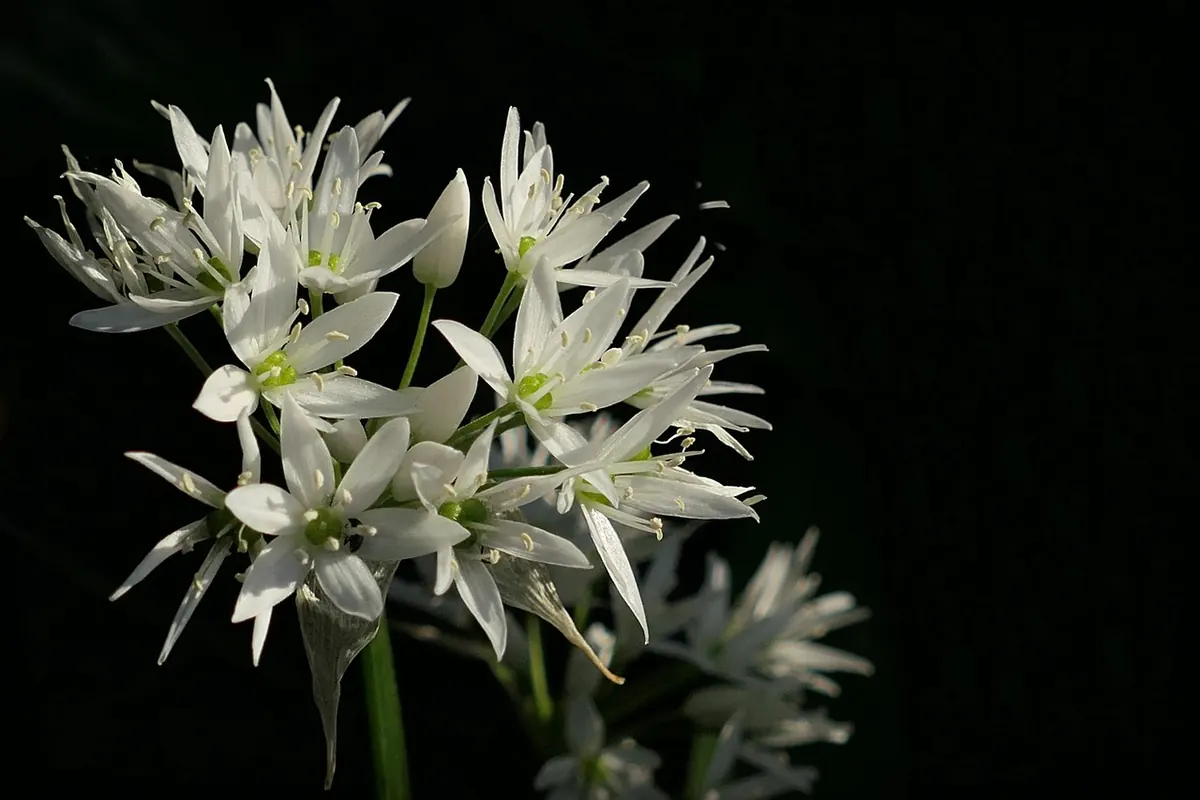
Growing Wild Edibles in a Small Kitchen Garden: Wild Garlic, Sorrel and Land Cress
Wild garlic, sorrel and land cress all thrive in shade and in pots. Here's how to sow, grow and harvest...
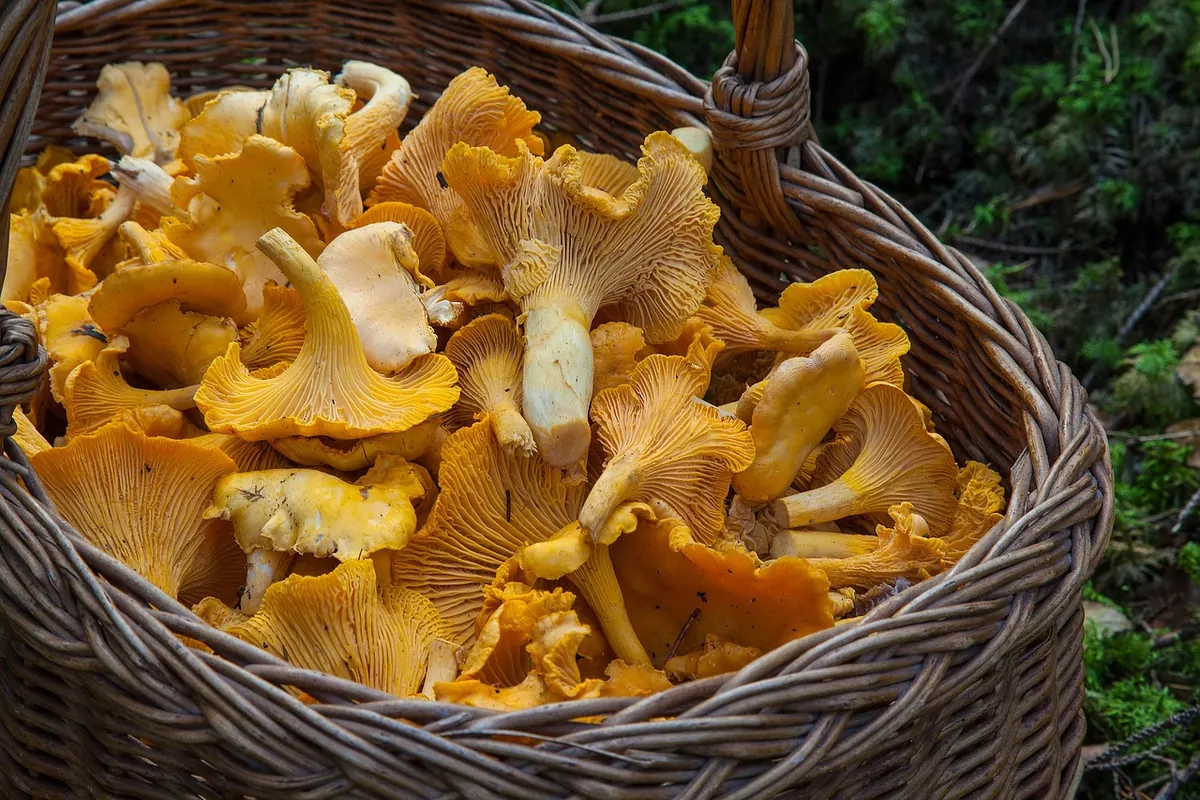
A Safe Mushroom Foraging Checklist for UK Woodlands
A step-by-step pre-pick and pre-eat routine for UK woodland foraging, from habitat notes and spore prints...
About Us