Nettle Soup, Pesto and Crisps: Three Seasonal Recipes for Spring Nettles
Stinging nettles are one of the first wild greens to arrive in spring, and one of the most generous. They push through hedgerows, allotment edges and forgotten corners long before the shops have anything local worth buying. The sting is real, but so is the reward: young nettle tops have a deep green flavour that sits somewhere between spinach, cucumber and strong tea. Pick them small, cook them quickly, and they turn into soup, pesto and crisps that taste like the season.
These three recipes use the same basic preparation, so once you have a pan of blanched nettles you can make any of them. Start with a patch you know has not been sprayed, and leave the big, seeded plants alone.
Before You Pick: Safety and Sting-Free Handling
Nettles are safe to eat once cooked, but the raw plant demands respect. The stinging hairs are brittle and release irritants on contact, so cover up before you reach into a patch. A pair of gardening gloves and a long-sleeved top make the job straightforward. Scissors or a sharp knife help you take just the top few leaves without pulling up the whole plant.
- Pick only the youngest tops: the first two to four pairs of leaves, before the plant flowers.
- Avoid busy roadsides, sprayed verges, dog-fouled patches and ground that could have been treated with weedkiller.
- Take a small harvest from a large patch rather than stripping one plant bare.
- Wash the leaves in cold water and check for insects, grit and yellowing leaves.
- Cook nettles before eating. Heat neutralises the sting; raw nettles should not go into a salad.
If you do get stung, wash the area with cool water and use a cold compress if it feels hot. The discomfort usually passes, but anyone with a known plant allergy or a severe reaction should seek medical advice.
How to Blanch Nettles (and Why It Matters)
Blanching is the step that turns a prickly hedge plant into a useful ingredient. It sets the bright green colour, softens the leaves and tames the raw, grassy bitterness that can dominate older nettles. It also removes the sting completely, which means you can squeeze and chop the leaves without gloves afterwards.
- Bring a large pan of salted water to a rolling boil.
- Tip in the washed nettle tops and push them under the water with tongs.
- Cook for 30 to 60 seconds, no longer. The leaves should wilt and turn vivid green.
- Drain immediately and plunge the nettles into a bowl of ice-cold water to stop the cooking.
- Drain again, then squeeze the leaves in your hands or in a clean tea towel to remove excess water.
You should end up with a compact ball of dark green pulp. Use it straight away, keep it covered in the fridge for two or three days, or freeze it in small portions. The cooled blanching water can go on the compost heap or be diluted and used as a general plant feed once it has cooled.
Recipe 1: Nettle Soup
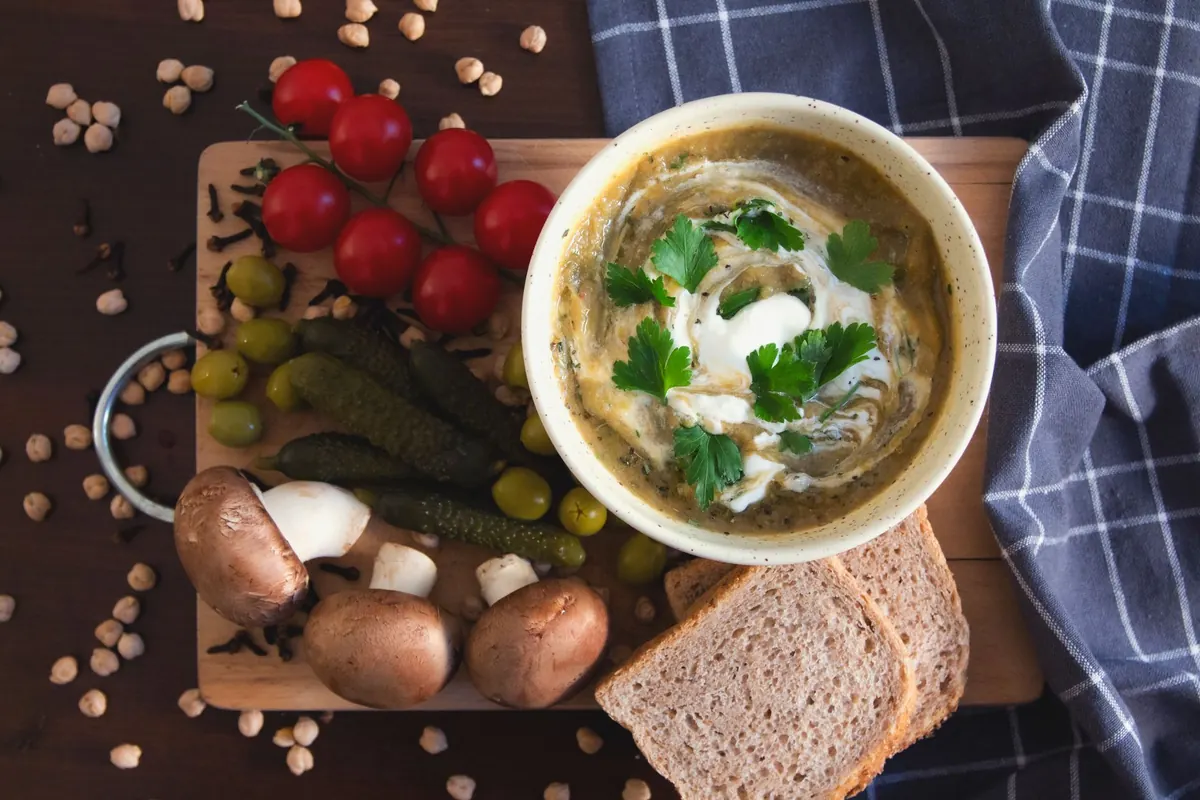
This is the recipe that converts sceptics. It is thick, velvety and gently peppery, with a squeeze of lemon at the end to keep the colour fresh. Serve it with buttered soda bread or a cheese toastie.
Ingredients
- 1 tablespoon butter or rapeseed oil
- 1 onion, chopped
- 1 small leek, sliced and washed
- 1 medium potato, peeled and diced
- 1 litre vegetable or chicken stock
- 200g blanched, squeezed nettles
- A grating of nutmeg
- A squeeze of lemon juice
- Salt and black pepper
- Single cream or crème fraîche, to serve (optional)
Method
- Warm the butter or oil in a large pan. Add the onion and leek with a pinch of salt and cook gently for 8 to 10 minutes until soft but not browned.
- Add the potato and stock. Bring to a simmer and cook for 15 minutes, or until the potato falls apart when pressed with a spoon.
- Stir in the blanched nettles and cook for 2 minutes only. This keeps the flavour green and fresh.
- Blend until smooth with a stick blender or in a jug blender. If the soup is too thick, loosen it with a little hot stock or water.
- Season with nutmeg, lemon juice, salt and pepper. Taste and adjust. Serve with a swirl of cream if you like.
Recipe 2: Nettle Pesto
Nettle pesto is darker and earthier than basil pesto, with a pleasant iron-like finish. It freezes well, so make a double batch while the nettles are tender. Use it on pasta, spread it on toast, or stir a spoonful into the soup above.
Ingredients
- 100g blanched, squeezed nettles
- 50g hazelnuts or walnuts, lightly toasted
- 50g Parmesan or pecorino, finely grated
- 1 small garlic clove, peeled
- 100 to 150ml rapeseed or olive oil
- 1 teaspoon lemon juice
- Salt and black pepper
Method
- Pulse the nuts and garlic in a food processor until they resemble coarse breadcrumbs.
- Add the nettles, cheese and lemon juice. Pulse again briefly.
- With the motor running, pour in the oil in a thin stream until the pesto is loose enough to spoon but still has texture. You may not need all the oil.
- Season with salt and pepper. Taste and add more lemon if it needs lifting.
- Store in a jar with a thin layer of oil on top. Keep in the fridge for up to a week, or freeze in ice-cube trays.
If you are cooking for anyone with a nut or dairy allergy, adjust accordingly: toasted sunflower seeds and a hard sheep’s cheese work well, or leave the cheese out and add a little extra salt.
Recipe 3: Nettle Crisps
Nettle crisps are fragile, salty and strangely addictive. They work best with whole young leaves, so choose the cleanest ones you can find and handle them gently after blanching. A low oven is essential; too much heat and they brown before they crisp.
Ingredients
- 40 to 50 young nettle leaves, blanched for 20 seconds
- 1 tablespoon rapeseed or olive oil
- Fine sea salt
- Optional: a pinch of smoked paprika or garlic powder
Method
- Heat the oven to 140°C fan (160°C conventional) and line two baking trays with baking parchment.
- Drain the briefly blanched leaves and dry them thoroughly on a clean tea towel. Any water left on the leaves will steam them instead of crisping them.
- Toss the leaves with the oil in a bowl, using your fingertips so they are lightly coated but not soaked.
- Spread them in a single layer on the trays, leaving space between each leaf.
- Bake for 12 to 18 minutes, turning the trays once. They are ready when they feel dry and brittle, not leathery.
- Cool on the trays, then dust with salt and any optional seasoning. Store in an airtight jar for up to three days. If they go soft, return them to the oven for five minutes.
Practical Notes for a Spring Nettle Patch
A good nettle patch is a renewable resource if you treat it well. Cut just the tops with scissors, take a little from many plants, and leave the rest to flower for butterflies and seed for next year’s growth. Once nettles start flowering, the leaves become gritty and bitter, so the window for soup, pesto and crisps is short. That is part of the pleasure.
If you are new to foraging, go with someone experienced or use a reliable field guide before you pick anything. Never eat a wild plant you cannot identify with certainty. And if you have a health condition, are pregnant, or take regular medication, speak to a healthcare professional before adding wild greens to your diet. For most people, a bowl of spring nettle soup is simply a good, free lunch.
Photo: Paul Seling / Pexels
Growing Wild Edibles in a Small Kitchen Garden: Wild Garlic, Sorrel and Land Cress
Wild garlic, sorrel and land cress all thrive in shade and in pots. Here's how to sow, grow and harvest...

Herbal Teas from the Hedgerow: Safe Recipes for Nettle, Mint and Chamomile
A practical beginner's guide to picking, drying and blending nettle, mint and chamomile from British...
About Us